5mm White Green LED (Pack of 10)


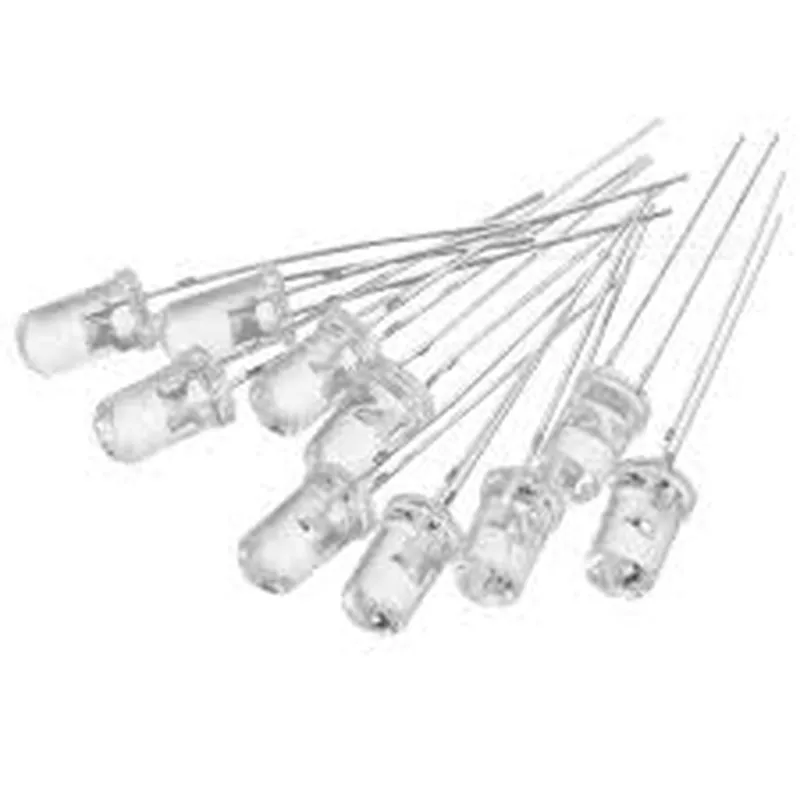
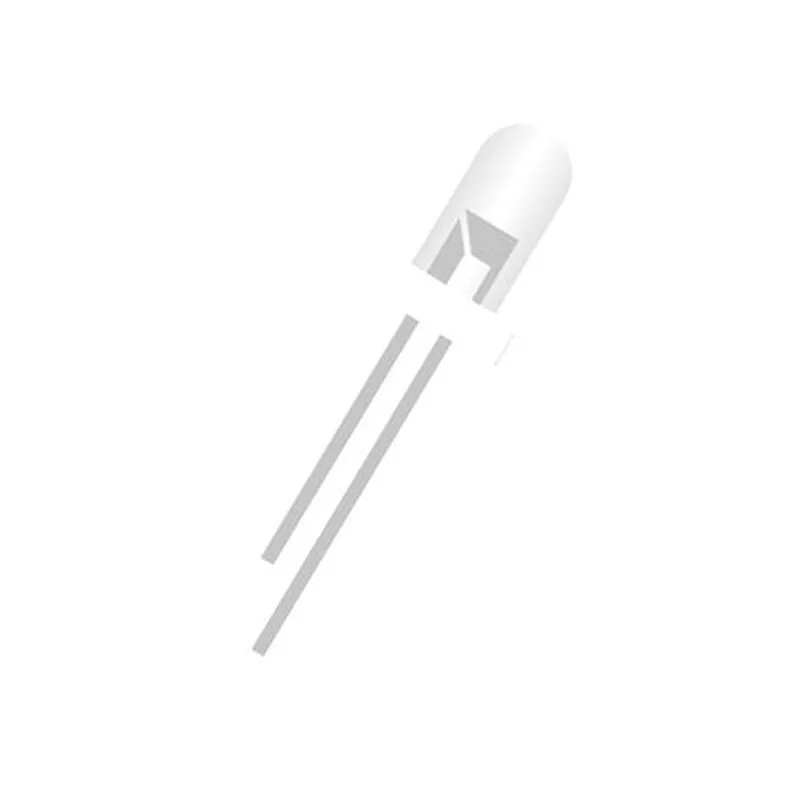
5mm White Green LED (Pack of 10)
The 5mm White Green LED is a type of light-emitting diode (LED) that emits a bright, white-green light. This component is packed in a set of 10 individual LEDs, making it an ideal choice for a variety of applications, including DIY electronics projects, robotics, and IoT devices.
The primary function of the 5mm White Green LED is to produce a bright, white-green light when an electric current flows through it. The LED is designed to be forward-biased, meaning it requires a positive voltage to operate. When a voltage is applied across the LED, the P-N junction within the component allows the flow of current, emitting light as a result.
The LED emits a bright, white-green light with a wavelength range of 500-570 nm, making it suitable for applications where a unique color is required.
The LED has a diameter of 5mm, making it compact and easy to integrate into a variety of projects.
The component is supplied in a pack of 10 individual LEDs, providing a cost-effective solution for projects that require multiple LEDs.
The LED operates within a voltage range of 1.8-2.5V, allowing it to be used with a variety of power sources, including batteries and voltage regulators.
The LED has a maximum current rating of 20mA, ensuring reliable operation and minimizing the risk of overheating or damage.
The LED has a luminous intensity of 100-150mcd, making it suitable for applications where a moderate level of brightness is required.
The LED has a viewing angle of 30-40, providing a focused beam of light that can be directed towards a specific area.
The LED has a typical lifespan of 50,000 hours, ensuring reliable operation over an extended period.
| The 5mm White Green LED is suitable for a variety of applications, including |
DIY electronics projects
Robotics and automation systems
IoT devices and sensors
Industrial control systems
Display panels and indicator lights
Decorative lighting and signage
The 5mm White Green LED complies with industry standards, including RoHS (Restriction of Hazardous Substances) and CE (Conformit Europene) certifications, ensuring the component meets environmental and safety regulations.
The component is supplied with a warranty that covers defects in materials and workmanship for a specified period. Technical support is available to assist with design, integration, and troubleshooting.
Component Documentation: 5mm White Green LED (Pack of 10)OverviewThe 5mm White Green LED is a high-brightness, low-power light-emitting diode (LED) suitable for a wide range of applications, including IoT projects, robotics, and wearable devices. This component is available in a pack of 10.Technical SpecificationsLED Type: 5mm White Green LED
Voltage: 2.0-2.4V
Current: 20mA (max)
Luminosity: 1000-1200 mcd
Viewing Angle: 120 degrees
Operating Temperature: -25C to +85C
Package: Through-hole, 5mm diameterCode Examples### Example 1: Basic LED Blinking using Arduino UnoThis example demonstrates how to connect the 5mm White Green LED to an Arduino Uno board and make it blink.Hardware ConnectionsConnect the anode (positive leg) of the LED to digital pin 13 on the Arduino Uno.
Connect the cathode (negative leg) of the LED to a 220 resistor.
Connect the other end of the resistor to the GND pin on the Arduino Uno.Code
```cpp
const int ledPin = 13; // Pin 13 on the Arduino Unovoid setup() {
pinMode(ledPin, OUTPUT);
}void loop() {
digitalWrite(ledPin, HIGH); // Turn the LED on
delay(1000); // Wait for 1 second
digitalWrite(ledPin, LOW); // Turn the LED off
delay(1000); // Wait for 1 second
}
```
### Example 2: Using the LED as an Indicator in a Raspberry Pi ProjectThis example demonstrates how to use the 5mm White Green LED as an indicator in a Raspberry Pi project.Hardware ConnectionsConnect the anode (positive leg) of the LED to GPIO pin 17 on the Raspberry Pi.
Connect the cathode (negative leg) of the LED to a 220 resistor.
Connect the other end of the resistor to the GND pin on the Raspberry Pi.Code
```python
import RPi.GPIO as GPIO
import timeGPIO.setmode(GPIO.BCM)
GPIO.setup(17, GPIO.OUT)while True:
GPIO.output(17, GPIO.HIGH) # Turn the LED on
time.sleep(1) # Wait for 1 second
GPIO.output(17, GPIO.LOW) # Turn the LED off
time.sleep(1) # Wait for 1 second
```
Note: Make sure to adjust the pin numbers and resistor values according to your specific project requirements.These examples illustrate the basic usage of the 5mm White Green LED in various contexts. The LED can be used in a wide range of applications, including sensor indicators, status lights, and wearable devices.