

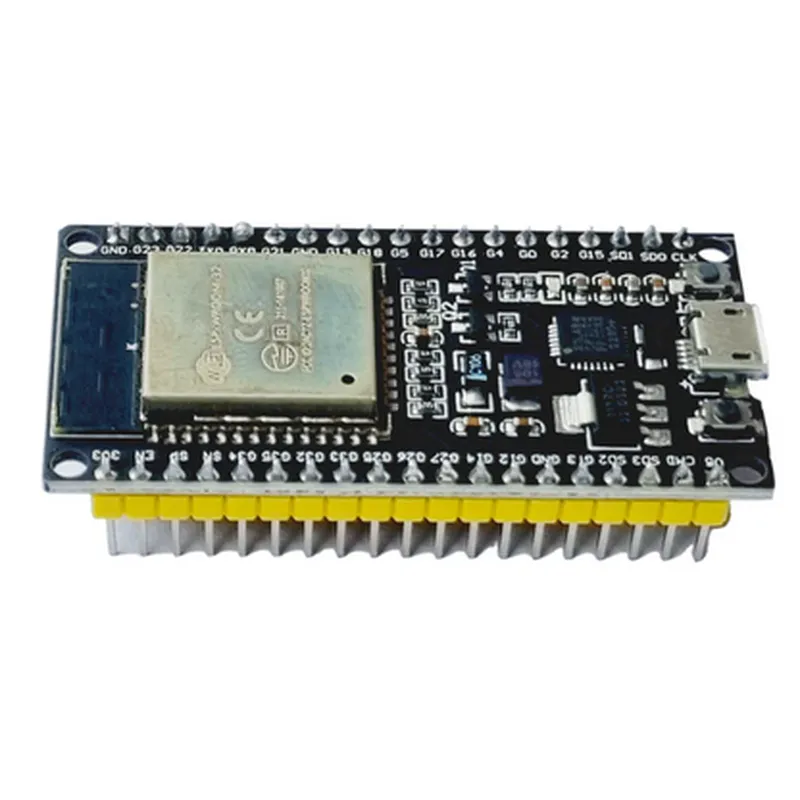
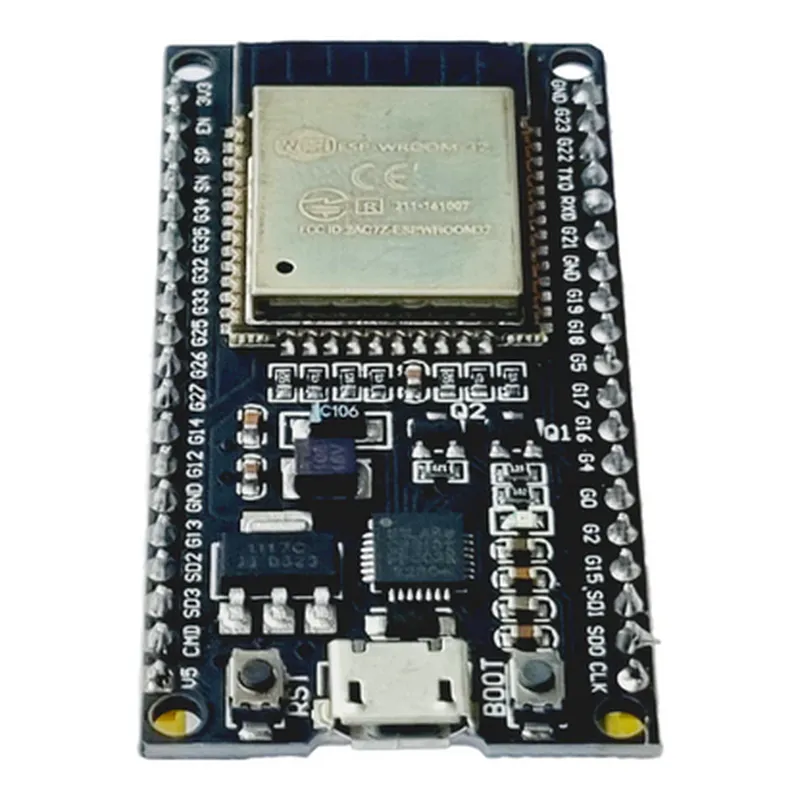
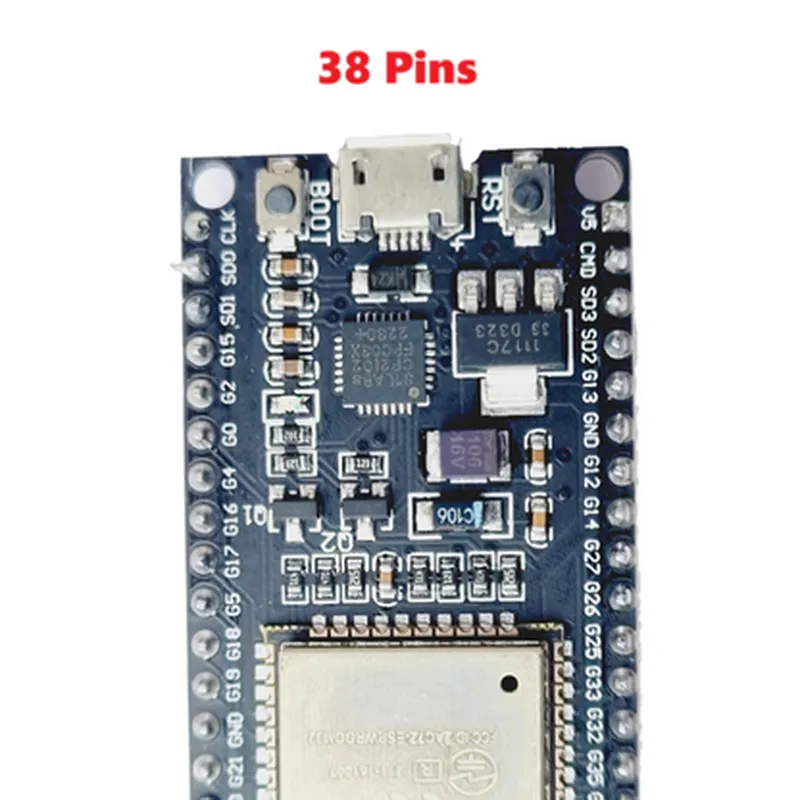
Description: 1. ESP32 (38-Pin) is a versatile WiFi + Bluetooth NodeMCU development board based on the Espressif Systems ESP32 microchip. 2. It features an integrated SOC (System on Chip) that includes a dual-mode WiFi and Bluetooth transceiver, capable of supporting both BLE (Bluetooth Low Energy) and classic Bluetooth protocols. 3. With its 38 pins, the ESP32 board offers more I/O options than traditional NodeMCU boards, which is ideal for projects requiring additional peripherals or expansion. 4. Featuring a Xtensa dual-core 32-bit LX6 microprocessor with a clock speed of up to 240MHz, the ESP32 is capable of handling complex IoT applications and multi-threading tasks. 5. The board supports both MicroPython and Arduino IDE programming environments, making it accessible to various user communities. 6. Integrated power management features include an adjustable voltage regulator, low power modes, and sleep functions, ensuring efficient energy consumption for battery-powered projects. 7. ESP32
| Specification | Details |
|---|---|
| Microcontroller | ESP32-D0WDQ6 (Dual-Core 32-bit Tensilica L106 @240 MHz) |
| Pins | 38 pins including GPIO UART I2C SPI ADC DAC and more |
| Memory | 520 KB Internal SRAM; 4 MB External PSRAM |
| Flash | 4 MB SPI flash for data and program storage |
| Networking | Wi-Fi (802.11 b/g/n) with WEP WPA/WPA2 encryption |
| Bluetooth | Supports Bluetooth 5.0 and BLE |
| Operating System | Supports Arduino IDE MicroPython Lua and more |
| Power Management | Integrated DC-DC converter; Power supply range: 3.3V - 19V |
| Dimension | 65 mm x 48 mm x 13 mm (2.6 in x 1.9 in x 0.5 in) |
| Weight | Approximately 30 grams |
| Operating Temperature | -40°C to 125°C (-40°F to 257°F) |
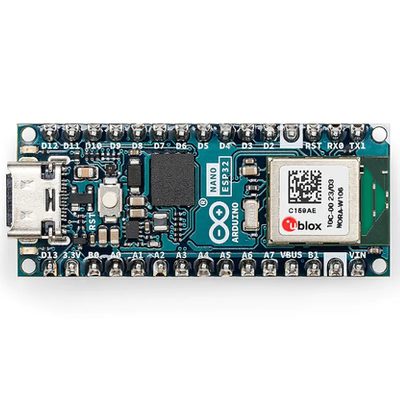
1. Microcontroller: Arduino N...
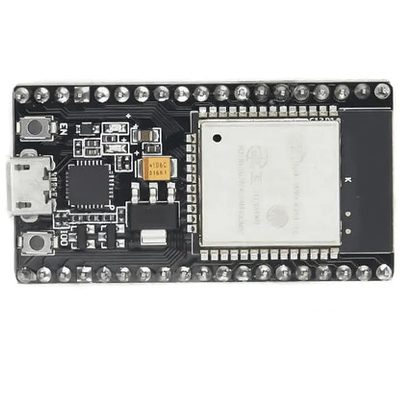
1. Overview: ESP32 (38 Pin) W...
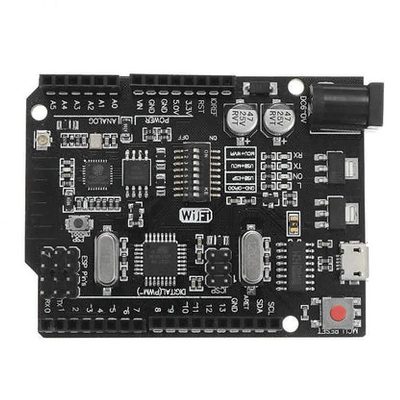
1. The Arduino UNO+WiFi R3 is...
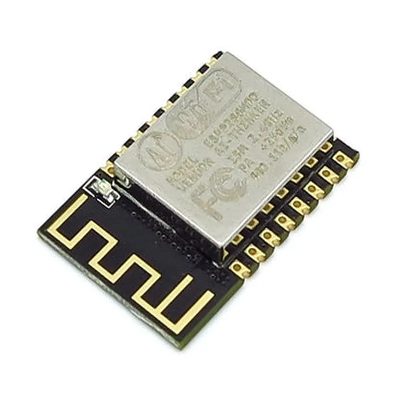
1. ESP8266 12F is a Wi-Fi mic...
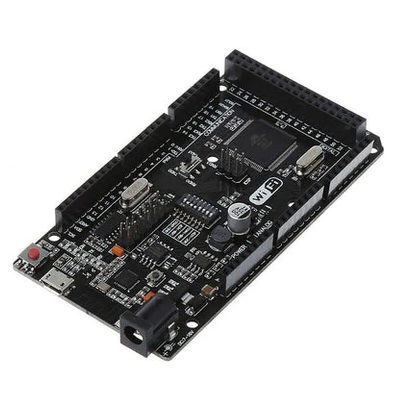
1. Microcontroller: Arduino M...
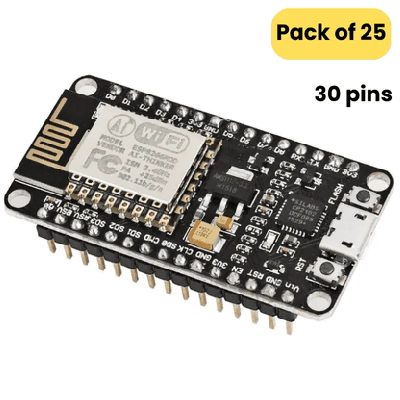
1. NodeMCU ESP8266: This prod...
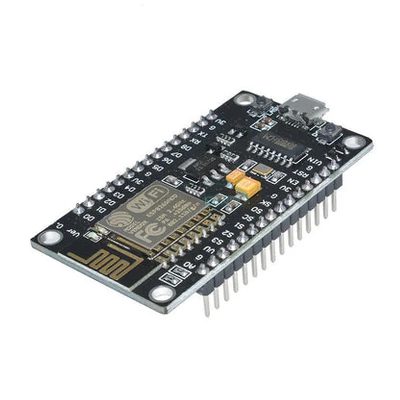
1. Microcontroller Unit: Node...